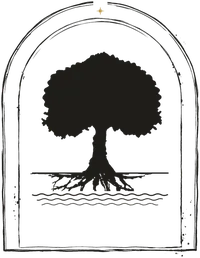


- iA life can run dry. Cracks appear.
- iiWith care, the cracks are mended with gold.
- iiiThe leaves return, and the tree blossoms.
- ivThe roots grow deeper than before.
- vThe water comes back, and life with it.
Psychology and leadership development, from Grade 1 to the boardroom. Founded by psychologist Dr Danie Schoeman. Online anywhere, and in person in Gordon's Bay.

Where are you today?
Choose the sentence that sounds most like you.
Me
"I want to understand and develop myself."
Relationships
"My relationships are affecting my life."
Tasks
"I'm struggling with something I need to do."
Something happened
"I want to understand how it affected me, and what I can do."
Me and AI
"I want to use AI well and stay human."
One model. Three domains. A lifetime.
Most leadership models start with the executive. This one starts with the person, in Grade 1, and keeps growing for life.
Lifelong Leadership develops the person, relationships and task leadership needed to live and lead purposefully. PSIMPLE applies this framework to understanding and managing personal problems, integrating established psychological principles with lifelong leadership.

Personal leadership
How you manage your own life: purpose, health, relationships, time, money, problems and morally grounded decisions. The driving force of everything else.
Group leadership
How you lead with and among people: families, friendships, teams, congregations and communities.
Task leadership
How you lead work: problems, projects and results, done ethically and, more and more, alongside artificial intelligence.
The Lifelong Leadership Model
Dr Schoeman's thinking, bound as an old textbook. Click a page to turn it, or use the arrow keys.
What happened to me is part of my story, but it does not have to become the definition of who I am.
Labels wash off. You remain.
We are all handed labels, by parents, teachers, coaches and friends. Even a kind one can limit us if we believe it is all we are. Move your hand through the water, or tap a label.

The old story asks who wins the race. This one asks who you are.
This is Solomon, the Institute's owl. He guides children and parents through the Living Leadership Journey, asks more than he tells, and when he beats his wings the unwise words blow away.
Life is not won by being the fastest. It is won by becoming the person you were created to be, and running your own race.
The race is a whole life: valleys, mountains, storms, rivers, cities, open plains. The hare and the tortoise do not run the same one, and the question at the end is not who got there first. It is what your footprints left behind.
iWho are you?The hare builds himself out of other animals. The tortoise asks who he was made to be.The hare's first mistake comes before he runs: an identity built from other animals' idea of success.Every life begins in an Old City, where identity is shaped by others. The tortoise builds a New City.
Before the race, the animals ask the hare, "Who are you?" He does not know, so he looks around. "I want to be strong like Lion. Important like Elephant. Admired like Peacock." Bit by bit he builds himself out of other animals. The tortoise asks a different question: "Who was I made to be?"
The tortoise starts with "Who am I, why am I here, what can I become?" Most of the pressure you feel is the hare's question dressed up as your own.
The hare never leaves the Old City. The tortoise discovers that his value does not come from the animals watching, and starts building on that ground.
iiWhich animal are you listening to?Lion says be powerful. Fox says take the shortcut. Owl says think first. You choose the voice.The hare's loud, successful group teaches him to lead others and never to lead himself.The animals are influences. Which voices are shaping me, and which am I handing on?
Peacock says "be admired". Monkey says "just have fun". Ant says "keep going". Every day you choose whose voice you follow.
"Get rich, get famous, look after number one." A person can be very good at group and task leadership while failing at personal leadership. It always shows later.
Power, appearance, status, manipulation, conformity, impulse; and also wisdom, loyalty, diligence and vision. The question for a parent or a leader is the same as for a child.
iiiThe black suitcaseEvery hurt the hare does not look at goes into a suitcase on his back. It gets heavier.Rejection, failure, shame, fear, loss. Unopened, each one adds weight. PSIMPLE is opening the case.The suitcase is how a child pictures suppression. The tortoise meets the same storms and responds differently.
When something goes wrong the hare gets angry, blames somebody, and runs faster. He is still the fastest animal, but the suitcase gets heavier and heavier.
The hare does not slow down because he is weak; he slows down because of the weight. What happened, who was involved, how did I experience it, and what did I start to believe about myself?
He stops, reflects, asks a wise animal, names what he feels, takes responsibility for what he does next, and continues. That is PSIMPLE lived as a journey rather than taught as a theory.
ivThe road behind them"I did not run the fastest race. I ran the race that was given to me."Behind the hare: shortcuts and a heavy suitcase. Behind the tortoise: friends, skills, lessons.Leadership is measured by what my way of living did to myself, to others and to the tasks entrusted to me.
The hare gets to the end first and looks back at a lot of running. The tortoise gets there later and looks back at friends he made, animals he helped, and things he learned.
Nobody has to beat anybody else's race. You have to run yours well.
Discover who you are and why you are here. Develop what you were given. Choose your companions wisely. Lead yourself before you lead others. Keep moving, purposefully, through every season.
Being developed as an illustrated children's book, a parent and teacher guide, PSIMPLE workbooks and a short episode series. Ask Dr Schoeman.
Worksheets for the journey
Printable worksheets are planned to go with each step. Ask Dr Schoeman about worksheets for your home, classroom or practice.
- WS 01The Hare and the Tortoise Journey
- WS 02PSIMPLE Self-Awareness Worksheet
- WS 03Self Domain Reflection
- WS 04Life Events, People, Self-perception
- WS 05New City Reflection Exercise
- WS 06Personal Problem Management Plan
How Dr Schoeman can help
Psychology, coaching and leadership development for people, families, schools, churches, businesses and government.
Psychological services
Confidential psychotherapy, online worldwide and face to face in Gordon's Bay. Healing first, then a life you can lead.
- Individual psychotherapy
- Stress, burnout and resilience
- Trauma, grief and loss
- Relationship and marital counselling
the full list
- Executive counselling
- Mood disorders management
- Life transitions
- Career and retirement adjustment
- Whole-brain study management
- Personal growth and self-leadership
Leadership development
Personal, group and task leadership for executives, business owners, mining and industry, churches, schools and government.
- Executive coaching and mentoring
- Organisational culture and change
- Human Leadership in the AI Age
- Learner leadership, Grades 1 to 12
four flagship offerings
1 · Executive leadership and organisational development- Leadership programmes and assessments
- Strategic thinking and team effectiveness
- Change management
- AI leadership readiness and ethical governance
- Human and AI collaboration
- AI strategy and digital transformation
- Values-based and servant leadership
- Faith and leadership integration
- Christian perspectives on AI
- Whole-brain study management
- Critical and creative thinking, problem solving
- Emotional intelligence, resilience, AI literacy
Life coaching and wellness
Value-based coaching built on personal leadership.
- Youth and learners: growing young leaders, study skills, the AI age
- Adults and families: life transitions, parenting, couples, personal growth
- Executives and professionals: leading under pressure, burnout, career and retirement
the personal leadership roles
- Lifelong personal life planning
- Health and wellness management
- Personal problem management
- Personal time management
- Morally based decisions and choices
- Personal financial management
- Healthy relationships and conflict management
Learning academy
The Institute's online university, released in phases.
- Online courses and masterclasses
- The PSIMPLE programme
- AI literacy for leaders and learners
- Workbooks, toolkits and certificates of completion
the catalogue
- Recorded seminars and leadership courses
- Executive development
- Lifelong Leadership life coaching courses
- Psychology and resilience courses
- Ethics and governance training
Invite Dr Schoeman to speak
Keynotes, workshops and seminars for organisations, schools, churches and conferences, nationally and internationally. A weekly series of articles for adult leaders, young people and CEOs, and teaching on YouTube, LinkedIn, podcasts and webinars.
- Personal leadership and its impact on group and task leadership
- Human Leadership in the AI Age
- Psychology of Leadership
- Ethical AI
- Organisational Cultural Transformation
- Resilience and Mental Wellbeing
- Future Skills for Leaders
- Leadership Development for Education
the weekly series
- For adult leaders: managing my own life efficiently and ethically; managing my daily time across the three leadership roles
- For teens and young adults: preventing mental ill-health by recognising avoidance, escapism and suppression; a problem management framework for any problem
- For CEOs and managers: the crucial role of ethical human leadership in the use of AI
| Level | For | Purpose | Boundary |
|---|---|---|---|
| Awareness | Children, youth, parents and individuals | Recognising life experiences, perceptions and patterns, and where help may be needed | No diagnosis or psychotherapy |
| Coaching and development | Coaches, educators, pastoral counsellors and trained professionals | Personal leadership, relationships, values, goals, problem management and growth | Non-diagnostic; not psychological treatment |
| Professional application | Registered psychologists | Use within assessment, formulation and intervention where professionally appropriate | The practitioner remains responsible for scope, competence, ethics and registration |
PSIMPLE is an original integrative framework developed from Dr Danie Schoeman's Lifelong Leadership Model. Its educational and self-help resources are designed to promote awareness, reflection and personal development. They are not intended to diagnose or treat mental disorders. Where professional psychological help is needed, please consult an appropriately registered professional.
Machines are learning fast. Leaders must become more human.
The world is racing to adopt AI. Someone must prepare the humans. The Institute develops wisdom, critical thinking, emotional intelligence and responsible leadership in CEOs, managers and, from Grade 1, the leaders who come after them, so that technology serves people and never replaces their judgement.
AI simulates, predicts, analyses and automates. It does not carry risk, ethics, vision or accountability. Those stay with a person, and how well that person leads their own life decides how well they lead the machine.
- AI leads, people followloss of control
- People lead, ignore AIloss of competitiveness
- People lead, AI augmentsexponential value
ask about AI leadership readiness and ethical governance · thinking skills for using AI well · human and AI collaboration in teams · responsible AI for learners, Grades 1 to 12

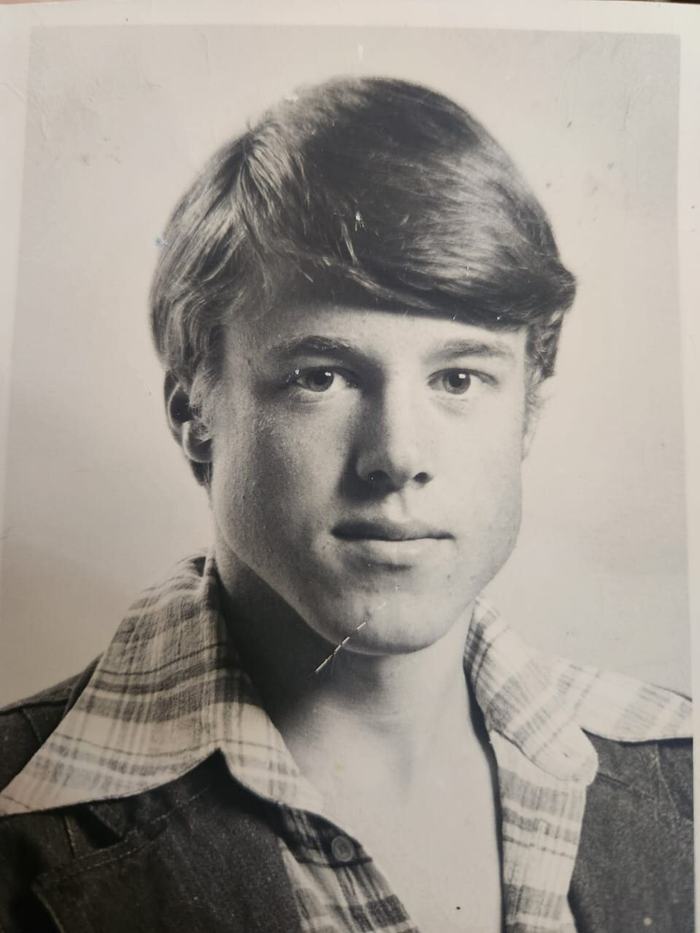

The boy they measured by the race. The man who kept reaching.
Danie grew up among fishermen on the coast, where a boy learns early that the sea gives nothing on demand. In his first years he had real limits on the sports field, and he met them the way the boats met the weather: he went out again. Sport taught him how to push past an obstacle. The sea taught him the rest: patience, waiting, and the quiet faith of the next morning's attempt.
In time he found his strength in study, and with it the idea at the heart of his work: that a person's value is not decided by the race other people are watching. That discovery, and his Christian faith, shaped how he understands identity, value and purpose. It grew into the Lifelong Leadership Model, and later PSIMPLE: a way of helping other people find where their own roots go deep, and what they can grow towards. The fish in the crest are for that coast, that family, and the patience they gave him.
This is the story behind his thinking, not proof that the model works. The model rests on established psychology and on decades of practice.
The journey behind the model, in his own words
My life's work in Lifelong Leadership and PSIMPLE did not begin in a textbook. It emerged from my own lifelong journey of discovering who I am, what I am capable of, and what gives my life meaning and purpose.
An early life event, and the perceptions and expectations that grew around it, profoundly influenced my developing sense of identity, worth and potential. In what I now call my Old City, I was influenced to see myself partly through the eyes of others. The challenge was not simply what had happened to me, but the meaning I gradually attached to it.
In 1976 I began consciously taking responsibility for the direction of my life. The decisive change was choosing to understand myself not through the perceptions of others, but as a person created by God, with God-given value, talents, potential and purpose. That became the foundation for planning my life goals and developing the personal, interpersonal, group and task leadership needed to pursue them.
The journey unfolded through twenty years as a military psychologist, fifteen in the Department of Health and three with the Oprah Winfrey Leadership Academy for Girls, and through family life: marriage, raising children, relocations, and the relationships that hold a life together. In 2018 I nearly died of sepsis, and recovery reminded me that my life still had purpose. In 2020 my wife died at sixty, and life asked me again: who am I now, what remains important, and what is my purpose going forward? After retiring in 2024 I turned, with renewed attention, to this work.
Looking back I recognised a pattern. Life events happen. People influence us. We form perceptions of ourselves, and those perceptions shape our identity, values, relationships and choices. But we can learn to examine those influences, discover who we are, and intentionally choose how we will lead the next chapter. That insight became the foundation of the Lifelong Leadership Model, and later of PSIMPLE. Both ask one question: who am I, who am I becoming, and how will I intentionally lead my life? For me it has been a journey from an Old City to a New City. My children were raised that way, and they are raising my five grandchildren the same way.
- StellenboschDegrees in English and Psychology, Honours and a Master's in Counselling Psychology, and an MPhil in Value Analysis and Policy Formulation, cum laude.
- 1987 to 2007South African Military Health Service, latterly Colonel and Senior Staff Officer, Tertiary Psychology Services.
- 2005 to 2006Designed the Lifelong Leadership Selection System for the first learners of the Oprah Winfrey Leadership Academy for Girls.
- 2006Doctorate, University of Johannesburg: a leadership development tool for South African school learners.
- 2009 to 2024Deputy Director, Professional Support, Western Cape Department of Health, West Coast District.
- 2025The Lifelong Leadership Institute, full time, in Gordon's Bay.
Start a conversation
Appointments, keynotes, learner programmes and organisational partnerships.
This website is not an emergency service. If you or someone near you is in danger, contact your local emergency services or go to your nearest hospital.